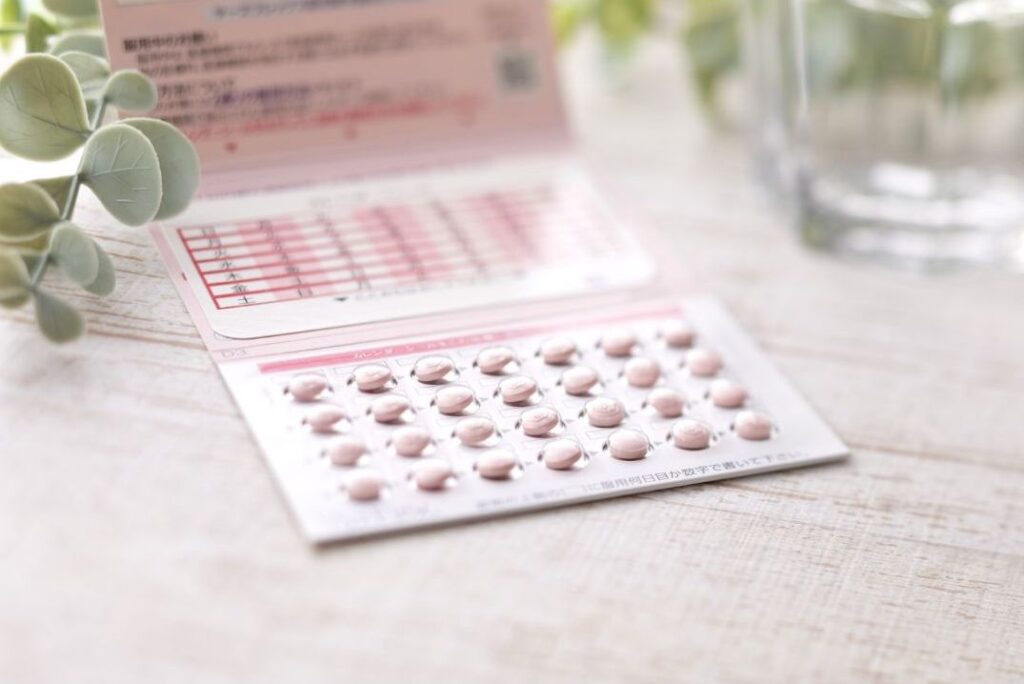
Progesterone is often called the calming hormone: it supports reproductive health, helps prepare the body for pregnancy, and is a key part of many hormone replacement therapies for perimenopause. But for a subset of people, progesterone doesn’t result in relief, it worsens symptoms. This isn’t imagined or “all in your head.” It’s a real biologic reaction that researchers and clinicians are paying increasing attention to. Progesterone intolerance describes an exaggerated or paradoxical response to progesterone (naturally created in your body or prescribed) where instead of feeling more balanced, someone actually feels worse when their progesterone levels spike. Clinically, this can be thought of as a form of hormone sensitivity where the nervous system, especially the brain, reacts in an unexpected way to progesterone or its metabolites. This differs from a true allergy or autoimmune reaction (which is rare and often involves skin or systemic signs). Progesterone intolerance is more about how the nervous system and brain interpret or respond to hormonal signals, not an allergy in the classic sense. Progesterone is metabolized in the brain into compounds like allopregnanolone that act on GABA-A receptors – the same ones involved in calming the nervous system. For most, this promotes relaxation, calms the mind and helps with sleep. But for some, this same pathway triggers anxiety, irritability, or emotional dysregulation instead of calm. Instead of the expected calming effect, progesterone can paradoxically activate parts of the nervous system that increase alertness or emotional reactivity. Research describes this as a heightened nervous system or brain response, not a deficiency or placebo effect, but a real neurohormonal sensitivity. Some people metabolize progesterone differently due to genetics, receptor sensitivity, stress history, or co-existing mood vulnerabilities (e.g., Premenstrual Dysphoric Disorder or anxiety disorders), making them more likely to feel paradoxically worse. Progesterone intolerance is more common with synthetic progestogens (like those in many contraceptive pills or hormone replacement therapies) than with bioidentical progesterone. Synthetic forms are not true progesterone, they are considered progestins or progestogens, and can interact with other hormone receptors and have more side effects. Bioidentical progesterone is the same molecular structure to the progesterone your body would naturally make. Yet some people also react to bioidentical progesterone, so working with a clinician who is knowledgeable about the various types and dosing options is important. People experiencing progesterone intolerance or premenstrual dysphoric disorder (PMDD) may notice: Emotional / Nervous System Symptoms Heightened anxiety or panic Irritability or sudden mood swings Difficulty sleeping or restlessness Emotional dysregulation Feeling worse when progesterone rises (e.g., luteal phase or after starting progesterone or progestin therapy) Physical Symptoms Bloating or water retention Fatigue Headaches Breast tenderness Acne or skin changes Digestive discomfort It’s worth noting that these overlap with PMS and PMDD symptoms, but progesterone intolerance specifically involves a worse reaction to progesterone exposure itself, whether it’s natural spikes that occur in the luteal phase or supplemental An emerging and compelling theory in hormone neuroscience suggests that timing matters just as much as biology, particularly when someone experiences intense stress in relation to hormonal shifts. The brain is not a passive recipient of hormones. It is adaptive, plastic, and deeply shaped by experience. When someone goes through a high-stress or traumatic period during a hormonally sensitive window, the brain may begin to associate specific hormonal states, including progesterone and its metabolites with threat rather than safety. Certain life stages are considered neuroendocrine sensitive periods, meaning the brain is especially responsive to hormonal signals: Puberty Postpartum Perimenopause Times of abrupt hormonal change (starting or stopping hormonal contraception or HRT) Periods of intense psychological or physiological stress layered onto normal cycles During these windows, progesterone and its neurosteroid metabolites (like allopregnanolone) are actively interacting with brain circuits involved in emotion, memory, and threat detection, including the amygdala and limbic system. If progesterone rises during a period of chronic stress, trauma, burnout, or emotional overwhelm, the brain may essentially learn that progesterone spikes coincide with danger. Under typical conditions, allopregnanolone enhances GABA-A receptor signaling, promoting calm, safety, and emotional regulation. But under sustained stress: GABA-A receptor function can change Stress hormones like cortisol alter receptor sensitivity The balance between inhibitory (calming) and excitatory signaling becomes disrupted In this context, progesterone’s metabolites may no longer feel soothing. Instead, they can be experienced as activating, destabilizing, or anxiety-provoking. Over time, this creates a conditioned or learned negative association: Progesterone rise → brain anticipates distress → symptoms emerge Importantly, this does not require abnormal hormone levels. The response is driven by how the brain interprets the signal, not the signal itself. I often have patients who want to test their blood levels of progesterone when going through this, but most of the time people’s hormone levels are normal, and the reaction is in the brain, not due to a hormone imbalance. 1. Altered Brain Activity Linked to Allopregnanolone in PMDD– A study using functional MRI found that people with PMDD show different patterns of brain activation during emotional tasks across the menstrual cycle that are associated with circulating levels of progesterone-derived neurosteroids, including allopregnanolone. This provides evidence that progesterone metabolites can modulate how the brain responds to emotional stimuli in sensitive individuals. PubMed 2. Impaired Sensitivity to Neuroactive Steroids Across the Cycle– A comprehensive review concludes that PMDD is not simply caused by high hormone levels, but rather by dysregulated sensitivity of the GABA_A receptor to allopregnanolone — the key progesterone neurosteroid that impacts inhibitory signaling in the brain. This is consistent with paradoxical mood symptoms during progesterone rises. PubMed 3. Allopregnanolone Sensitivity Varies by Cycle Phase– Older experimental work showed that individuals with PMDD exhibit altered functional responses to intravenous allopregnanolone depending on menstrual cycle phase (follicular vs luteal), suggesting that progesterone metabolism and brain receptor sensitivity differ in affected patients versus controls. PubMed If you suspect progesterone intolerance, here are evidence-based steps to consider: Record when symptoms appear in relation to your menstrual cycle or progesterone therapy start date. Patterns can help clarify whether progesterone might be the trigger. Not all progesterones are equal: Synthetic progestogens are more likely to cause side effects in sensitive individuals (i.e. what is in most forms of birth control). Bio-identical progesterone (micronized forms such as Prometrium) tend to be better tolerated for many, although even this type of progesterone may trigger some patients. Alternate delivery routes (switching to vaginal rather than oral micronized progesterone) may reduce systemic effects. Frequency of dosing– some patients do better with continuous micronized progesterone instead of cyclical to help keep the GABA receptors stabilized. A healthcare provider can adjust dose, timing, route, or even suggest alternative therapies if progesterone intolerance is suspected. For those using hormone replacement therapy (HRT), careful planning is key. Though not a replacement for medical hormone management, calming practices and nervous system regulation techniques can help reduce symptom severity in sensitive individuals. Cognitive behavioral therapy can be very helpful for individuals Nutrients like vitamin C, B6 and calcium can help with self-production of progesterone Herbals like vitex and passionflower can be helpful in some individuals Progesterone intolerance is a real and often misunderstood phenomenon. While progesterone helps many feel balanced and relaxed, for a meaningful subset of people (especially those with hormone sensitivities) it can paradoxically make symptoms worse. Recognizing this, tracking patterns, and adjusting treatment with a knowledgeable clinician can make all the difference in feeling better rather than worse. If you are going through perimenopause or PMDD and are inquiring about bHRT but are concerned you may have progesterone intolerance, I would be happy to support you. There are many options through lifestyle, nutrition, supplements, herbals and bHRT that can help. What Is Progesterone Intolerance?
Why Some People Feel Worse on Progesterone
1. Brain Sensitivity to Progesterone Metabolites
2. Nervous System Paradoxical Response
3. Individual Variability in Hormone Processing
4. Synthetic Progesterone vs. Natural Progesterone
Common Symptoms People Report
The “Sensitive Window” Theory: How Stress Can Prime the Brain to React Negatively to Progesterone
Hormonal Transitions as “Learning Windows” for the Brain
From Calming Signal to Threat Signal
Research of Altered Brain Sensitivity to Progesterone Metabolites
How to Approach Progesterone Intolerance
1. Track Symptoms Carefully
2. Consider Type and Route of Progesterone
3. Work with a Clinician on Personalized Hormone Therapy
4. Support with Lifestyle, Supplements and Nervous System Regulation
Final Thoughts

